
Carpet Stain Removal Nampa ID
Juice, coffee, tracked-in field mud, winter de-icer rings, ink, and the mystery spot — treated by the chemistry of the spill, not by scrubbing harder.
Nampa, ID and the west Treasure Valley · Calls may be recorded for quality assurance and training.
A town of big families, working boots, and long winters produces a recognizable stain roster. The calls that come in from Nampa, ID are red juice on the bonus-room floor, field mud and irrigation-ditch silt tracked up the hall, white de-icer rings inside the front door every January, coffee down the stairs, wine from the one adult evening the carpet ever hosted, and the eternal mystery spot no one in the house will claim. Each one is a different chemistry problem — and chemistry, not muscle, is what removes stains. The solvent that dissolves grease will set a protein spill; the oxidizer that lifts one mark strips the dye out of the next.
The other half of the craft is depth. Spills never stay on the surface — they drain to the backing and pad, which is why home-treated spots so reliably reappear a few days later as the residue wicks back up. Professional spotting treats and extracts the whole column of the spill, surface to pad, so what leaves stays gone.
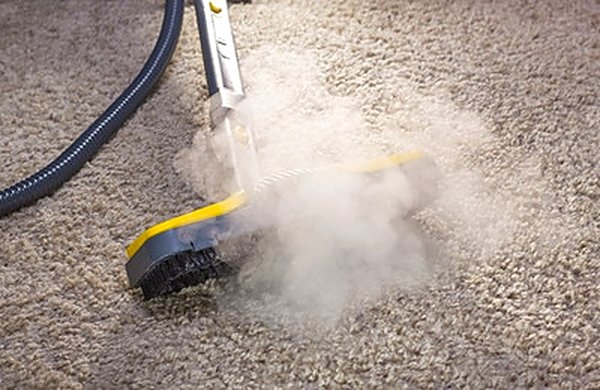
The Nampa stain roster, sorted by chemistry
| What landed | What it is | What works |
|---|---|---|
| Red juice, punch, popsicles | Synthetic food dye | Reducing agents applied gradually — the most technique-dependent family |
| Field mud, ag dust, ditch silt | Particulate soil | Dry first, vacuum hard, then extraction rinse — never wet-scrub it fresh |
| De-icer rings at entries | Chloride salt residue | Neutralizing acid-side rinse; detergent alone worsens the crust |
| Coffee, tea, red wine | Tannins | Tannin-specific treatment with rinse-extraction |
| Blood, milk, vomit | Proteins | Enzyme digestion with cool water — heat cooks protein in for good |
| Grease, lotion, chain oil, makeup | Oils | Solvent pre-treatment, then detergent and rinse |
| Rust rings under furniture feet | Iron oxide | Dedicated rust chemistry — general-purpose cleaners spread it |
What to do in the first five minutes
- Do: blot straight down with plain white paper towels until nothing more transfers; weight a dry stack on big spills and walk away.
- Do: lift solids off with a spoon edge before they cure into the pile — wax and gum especially.
- Don't: scrub. Stains sometimes forgive; blown-out, fuzzy fiber tips never do.
- Don't: spray an "oxy" product on an unidentified spot — on the wrong dye it trades a removable stain for a permanent bleached one.
- Don't: apply heat until the stain family is known; hot water and iron tricks set proteins and many dyes permanently.
Three honest verdicts
At the walk-through, every spot gets exactly one of three calls: comes out — most fresh and untreated stains; improves substantially — older marks and anything already worked over with store products; or is not a stain at all — bleach spots, sun fade, and chemical burns are missing dye, and their real fixes are spot-dyeing or patching. You hear the verdict before you spend the money, which is how it should work everywhere.
Frequently Asked Questions
Can red juice or punch stains actually come out of carpet?
What about the mud that comes in every spring and harvest?
Why does the same spot keep coming back after I clean it?
There are white rings near the front door every winter. What are they?
Can you fix a bleach spot?
How is stain work priced?
Got a spot that won't quit in Nampa?
Call (208) 856-3626 and describe it — you'll get an honest read on whether it comes out, and the price, before anyone drives over.